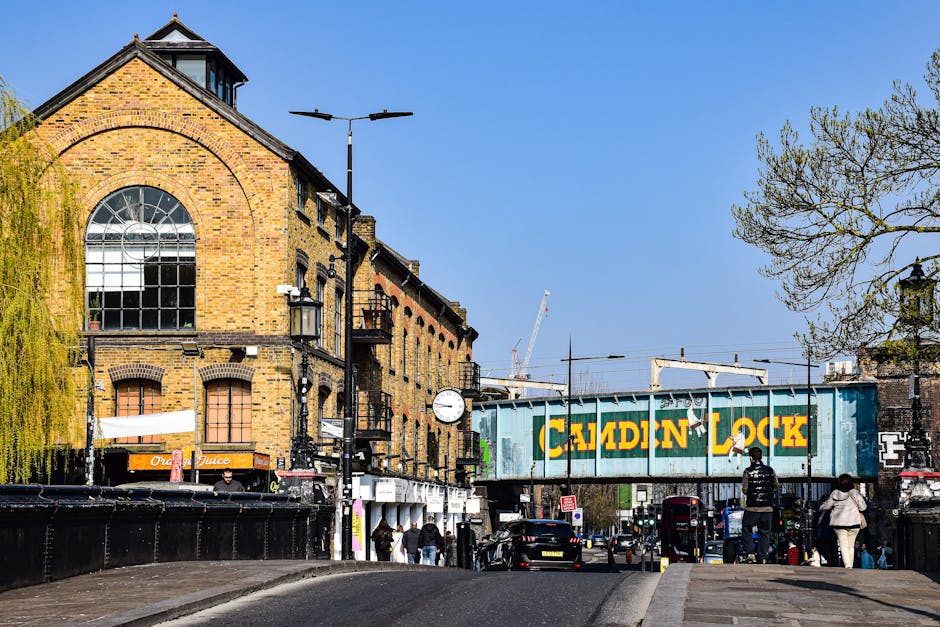
Canning Town station moving guide for local removals
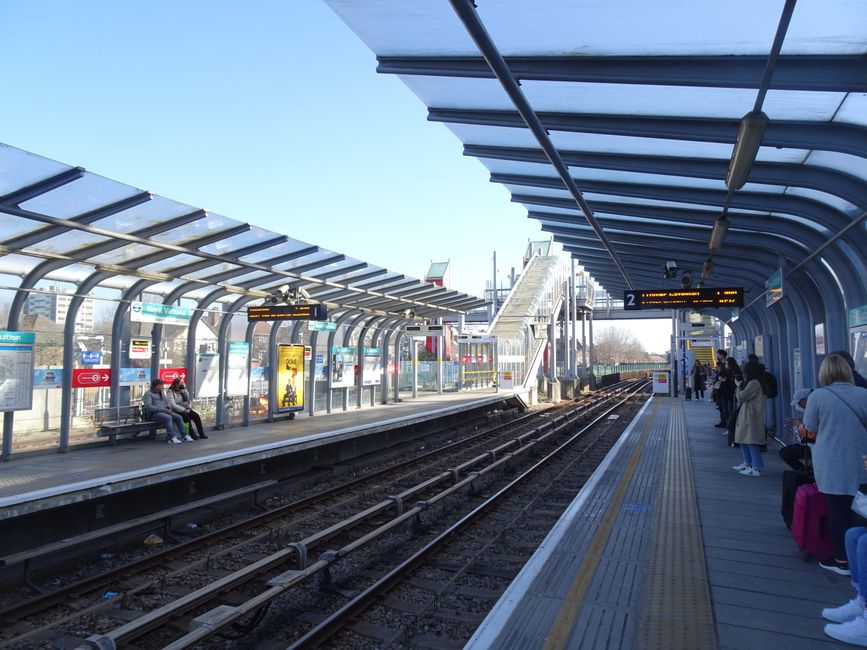
Moving near Canning Town station can feel simple on paper and a bit chaotic in real life. You've got busy streets, train links, bus traffic, tight access, and that lovely London habit of making a short distance take longer than expected. This Canning Town station moving guide for local removals is here to make the whole thing more manageable. Whether you're shifting a flat, clearing an office, or booking a man and van for a small local move, the aim is the same: less stress, fewer surprises, and a move that stays on schedule.
In our experience, the biggest win is not brute force. It's planning. A clear route, the right van size, sensible timing, and a few smart decisions around packing and access can save a lot of hassle. Let's walk through what matters, how the process works, and where local removals around Canning Town station usually go right - and where they sometimes go sideways.
Key takeaway: local removals near a busy station are won with timing, access planning, and realistic load sizes. If you get those three right, the rest is far easier.
Why Canning Town station moving guide for local removals Matters
Canning Town station sits in one of those parts of London where movement never really stops. People commute, delivery vehicles come and go, and the roads around stations can tighten up fast. That matters when you're moving because removals are very sensitive to timing and access. A van that can't pull in easily or a loading window that gets eaten up by traffic can turn a tidy plan into a long afternoon.
Local removals are different from long-distance moves. You may only be going a few streets away, but the challenges are often more concentrated. There's less margin for error. You need to think about stairs, lifts, parking, loading points, and whether your furniture will fit through the door without a small debate in the hallway. To be fair, that last bit happens more than people expect.
The other reason this guide matters is cost control. The faster and smoother the loading process, the better value you usually get from a removal team. Time spent waiting around the station area, carrying items from a long distance, or reloading because of poor planning tends to add friction. Good planning is not just about convenience; it can also help keep the move efficient.
If you are comparing providers, it also helps to understand what a professional move should look like. A reliable removal company will ask sensible questions about access, inventory, fragile items, and timing rather than just quoting from a postcode and hoping for the best. That's a good sign, by the way.
How Canning Town station moving guide for local removals Works
At its core, a local removal around Canning Town station follows a straightforward pattern: assess the move, plan access, load carefully, travel a short distance, unload, and place items where they belong. The detail is where the value sits.
First comes the inventory. You list what is going, what is being dismantled, what needs packing, and what is too awkward or fragile to leave to chance. A sofa, wardrobe, mattress, office desk, and stack of boxes can sound manageable until you look at the actual lift size or the stairwell turn. Then you realise why measurements matter.
Next is vehicle choice. A small local move may suit a moving van, while larger household or office loads may need a bigger vehicle or a more structured service. If you've ever seen someone try to do three trips because the first vehicle was too small, you'll know why this step matters. It's not glamorous, but it saves time.
Then there is access planning. Around station areas, this often means checking:
- where the vehicle can legally stop
- whether there is a loading bay nearby
- if the property has lift access
- how far items must be carried
- whether there are time restrictions for stopping or unloading
Finally, the move itself needs a rhythm. Good movers don't rush blindly; they work in a sensible sequence. Fragile items first into safe positions, heavy furniture secured properly, boxes stacked with care, and the unloading plan kept clear so items go straight to the right rooms. Simple. Not always easy, but simple.
Key Benefits and Practical Advantages
A well-run local removal near Canning Town station gives you more than just transport. It gives you breathing room, which is sometimes the thing people need most on moving day.
Here are the main advantages:
- Less stress: You are not juggling van hire, heavy lifting, and route planning all at once.
- Better timekeeping: A local team can work around the realities of station traffic and busy roads.
- Safer handling: Trained movers know how to move bulky items without damaging walls, floors, or backs.
- Reduced risk of breakage: Good packing and loading methods make a huge difference.
- More flexibility: Small moves, awkward items, and short-notice changes are easier to manage with the right support.
There's also a quieter benefit: peace of mind. You stop worrying about whether the hire van is big enough or whether your friend with the car will actually show up at 7am on a Saturday. Let's be honest, that sort of uncertainty is rarely fun.
If you want something more adaptable than a full-scale move, a service like man with van can be a very practical middle ground for local removals. It is often a good fit when the job is too much for a car but doesn't need a large crew.
Who This Is For and When It Makes Sense
This guide is for anyone moving within or around the Canning Town station area who wants the move to feel organised rather than improvised. That includes students, renters, first-time buyers, landlords, small businesses, and anyone relocating a few pieces of furniture without wanting a full production around it.
It also makes sense if you are moving from a flat with awkward access. Station-adjacent buildings often come with narrow corridors, lifts that are a bit temperamental, or loading points that require a careful eye. If your current place looks easy until you try to carry a sofa downstairs, you're in the right place.
For business moves, the guide is useful too. Small office relocations, desk swaps, archive moves, and equipment transfers all benefit from planning. If the aim is to keep downtime low, a team experienced in commercial moves or office removals can help you avoid the usual tangle of cables, boxes, and lost chargers. And yes, lost chargers are somehow always everyone's problem.
It is also a strong fit for anyone who wants proper help but does not need a full house-clearance style move. In that case, a smaller service such as removals near me can be the starting point for getting a local team involved without overcomplicating things.
Step-by-Step Guidance
Here is the practical version. If you follow these steps, you'll usually avoid the worst moving-day headaches.
- Confirm the move size. Count large items, boxes, and anything awkward like mirrors, plants, or gym equipment.
- Check access at both ends. Measure doorways, lifts, stair turns, and any awkward corners. A quick tape measure now saves a lot later.
- Decide the right service level. A small flat move may suit a man with van removal, while larger jobs may need a full team or a bigger vehicle.
- Book for the right time. Around a station, an early slot often helps. Less traffic, fewer delays, calmer loading. Nice when it works out.
- Pack room by room. Label boxes clearly. Keep essentials in one separate bag or box. Kettle, documents, charger, toiletries - you'll want those first.
- Protect fragile items. Use proper wrapping, cushioning, and sturdy boxes. Tea towels and old newspapers can help, but they are not magic.
- Prepare parking or loading instructions. Tell the movers where to stop, where to ring the bell, and whether there are access codes or concierge rules.
- Load heavy items first. Place heavier furniture securely, then stack lighter boxes safely around them.
- Do a final walk-through. Check cupboards, behind doors, under beds, and the fridge. People always forget at least one thing. Always.
- Unpack essentials before everything else. Sort sleep, food, and basic hygiene before obsessing over the spare room. Future-you will be grateful.
If you are moving a whole household rather than a small load, a more structured service like house removals can be the better fit. It gives you more support with heavy pieces, packing, and the general chaos that comes with family moves.
Expert Tips for Better Results
Experience teaches you the boring little things that make a big difference. Here are a few of them.
1. Keep the route short and realistic. If the loading point is technically legal but painfully awkward, it may cost more time than it saves. Sometimes a slightly longer carry from a better parking spot is actually the smarter call.
2. Pack a "first hour" box. Put kettle, mug, toilet roll, phone charger, scissors, snacks, and basic cleaning supplies in one box. It sounds minor. It is not minor on a moving day when everything feels hidden.
3. Protect stairwells and floors. If your building is tight on space, ask how protection is handled. Responsible movers should care about walls and flooring, not just the furniture.
4. Ask about dismantling in advance. Beds, wardrobes, and tables may need to be taken apart. If that is left until the last minute, the whole morning can wobble a bit.
5. Plan around the station rhythm. Commuter flow can affect access more than people expect. A move at 8:00am is a different creature from one at 11:30am.
6. Keep a bit of flexibility. Truth be told, even the best-planned local move may need a small adjustment. A lift might be busy, weather may slow the loading, or traffic may be uglier than expected. Build in a bit of slack.
If you are unsure what level of support you need, a general removal services page can help you think through the options before you book anything. No drama, just clarity.
Common Mistakes to Avoid
Most moving problems near station areas come from a handful of avoidable mistakes. Some are tiny, some are expensive, and a few are just plain annoying.
- Underestimating the volume: What feels like "a few boxes" often turns into a small mountain.
- Ignoring access restrictions: A place that looks easy on Google maps may be awkward in person.
- Booking too late: Good slots go quickly, especially at the end of the month or on weekends.
- Not labelling boxes: You will regret this at the other end. Probably while standing in the kitchen looking for a mug.
- Leaving everything until moving day: Packing at the last minute tends to produce broken routines and forgotten items.
- Choosing the wrong vehicle: Too small means repeat trips. Too large can be unnecessarily costly or awkward in tight streets.
- Forgetting building rules: Some flats and offices have specific booking or access requirements. Miss those, and the day gets harder than it needs to be.
One small but common issue is forgetting to tell the movers about bulky items that are not obvious in a quick quote. A bike, a drum kit, a large TV, or a heavy filing cabinet can shift the whole plan. Mention the weird stuff. It helps.
Tools, Resources and Recommendations
You do not need a warehouse of equipment to make a local move go smoothly. A few practical tools do most of the work.
- Strong boxes: Use consistent sizes where possible. They stack better and are easier to carry.
- Packing tape: Cheap tape is a false economy. You know the type - it gives up halfway through the job.
- Bubble wrap or paper wrap: Useful for glassware, lamps, frames, and anything awkwardly shaped.
- Labels and markers: Clear room labels save huge amounts of time on unloading.
- Furniture covers: Helpful for sofas, mattresses, and wardrobes during short local journeys.
- Basic tools: Screwdrivers, Allen keys, and a small tool bag for dismantling beds or tables.
For people who want less hands-on packing, packing and unpacking services can be a sensible add-on. It is especially useful if time is tight or if fragile items need extra care.
If you are moving a single item or clearing larger furniture, you may also find furniture pick up useful when the job is more about getting one awkward piece moved safely than handling a full household load.
And if the move is part of a bigger life reset - new flat, new routine, new start - a broader service such as home moves can give you the structure you need without overthinking every box.
Law, Compliance, Standards, or Best Practice
Moving around a station area in London is not just about convenience. There are practical compliance points and industry best practices worth respecting.
First, parking and loading should be handled carefully. Local restrictions, private estate rules, and building access policies can all affect where a van can stop and for how long. Even if the move is short, it still needs to be done properly. If a driver parks in a place that causes avoidable obstruction, the whole day can unravel. Best to plan it before the first box moves.
Second, movers should handle goods with care and use safe lifting practices. Reputable teams normally work with sensible manual handling methods and try to avoid unnecessary risk. That matters for the property too - walls, banisters, and flooring can all suffer when a move is rushed.
Third, insurance and transparency are important. If you are booking a provider, it is reasonable to ask how goods in transit are handled and what support is in place if something goes wrong. A clear insurance and safety page is a reassuring sign because it shows the business treats protection seriously rather than as an afterthought.
It is also good practice to read the booking terms carefully, especially around cancellations, waiting time, and access issues. If something is unclear, ask. Better a slightly awkward question now than a bigger one later.
For businesses, there can be extra considerations around records, equipment, and staff access. Office moves should be planned so sensitive items are tracked and work can restart quickly. That is where services like office relocation services can save time and reduce disruption.
Options, Methods, or Comparison Table
Choosing the right moving method around Canning Town station depends on how much you need to shift, how awkward access is, and how much help you want on the day. Here's a simple comparison.
| Option | Best for | Strengths | Watch-outs |
|---|---|---|---|
| Man and van | Small flats, single-room moves, light local jobs | Flexible, usually efficient, good for short distances | May not suit very large loads |
| Full removal team | Family homes, larger loads, fragile furniture | More hands, more structure, less lifting for you | Usually costs more than a smaller service |
| DIY van hire | Very budget-conscious moves with plenty of help from friends | Maximum control, can be cheaper upfront | You handle driving, loading, risk, timing, and all the admin |
| Specialist office move | Business relocations and equipment moves | Better planning and less disruption to work | Needs clearer scheduling and inventory control |
If you are deciding between a smaller vehicle and a more complete service, think about the real total cost, not just the headline price. A cheaper option that needs three trips and a lot of manual lifting may not be cheaper at all. Funny how that works.
For many local moves, a simple removals van approach is enough. For others, especially bigger household jobs, a more complete movers service is the safer and saner choice.
Case Study or Real-World Example
Picture a couple moving from a one-bedroom flat near Canning Town station to another property only a short drive away. On paper, it looks easy. Two people, a modest number of boxes, a bed, sofa, coffee table, and a couple of awkward plants. Simple, right?
Then the details appear. Their current flat has a narrow stairwell, the lift is small, and the new building needs advance notice for loading. They also have a big mirror, a desk that does not fit through the door intact, and a fridge that is heavier than it looks. Classic.
They made the move work by doing three things well:
- They packed early and labelled each box by room.
- They measured the bulky furniture before move day.
- They booked a local team that understood the station area and had the right vehicle for the job.
The result was not flashy, just calm. Items were loaded in one run, the unloading was organised, and the day stayed reasonably on time. No heroic drama. No panicked second trip. That is actually the best kind of move.
The same logic applies to small business relocations too. A compact office with monitors, filing boxes, and workstations can move efficiently if the team knows what is being transported and what needs special handling. A little planning goes a long way.
Practical Checklist
Use this before moving day. It keeps the job grounded.
- Confirm the moving date and access times
- Measure doors, lifts, staircases, and large items
- Choose the right vehicle and service level
- Sort packing materials early
- Label all boxes clearly by room
- Separate valuables and essential documents
- Tell the team about fragile or awkward items
- Check parking and loading arrangements near the station
- Protect floors, walls, and furniture where needed
- Keep a first-night box easy to reach
- Review terms, insurance, and safety details before booking
- Do a final sweep of cupboards, storage spaces, and outdoor areas
If you want a cleaner handover and a less frantic day, small details matter. They really do.
Conclusion
Moving near Canning Town station does not have to feel like a scramble. Once you understand the access issues, pick the right removal method, and plan the timing properly, the whole process becomes much more predictable. That is the real value of a good local removals plan: less guesswork, fewer surprises, and a move that actually feels under control.
Whether you are booking a small local lift-and-load job, organising a flat move, or arranging a bigger household or office relocation, the smartest approach is usually the same - prepare properly, keep communication clear, and choose support that matches the job rather than the fantasy version of it. Truth be told, that is where most smooth moves begin.
Get a free quote today and see how much you can save.
And if this move is one of those life moments where everything is changing at once, take a breath. One box at a time, one room at a time. You'll get there.
Frequently Asked Questions
What is the best way to move near Canning Town station?
The best way is usually the one that matches your load size and access conditions. For smaller local moves, a man and van service is often enough. For larger homes or offices, a fuller removal service is usually more efficient.
How far in advance should I book a local removal?
As early as you can, especially if you want a weekend slot or you are moving at the end of the month. Local jobs can book up quickly, and station-area access is easier to plan when you give notice early.
Do I need a bigger van for a flat move?
Not always. A one-bedroom flat with a modest amount of furniture may fit into a moving van or smaller removal setup. If you have bulky items, it is worth checking the size carefully rather than guessing.
Can movers help with packing as well?
Yes, many can. If you want less stress, packing and unpacking support can save a lot of time and reduce breakage risk. It is especially helpful if you have fragile items or a tight moving schedule.
What should I tell the removals team before moving day?
Tell them about access restrictions, parking, stairs, lifts, fragile items, bulky furniture, and any building rules. The more accurate the information, the smoother the move tends to be.
Is it better to move early in the morning?
Often yes, particularly around a busy station area. Early slots can help avoid heavier traffic and make loading easier. That said, the best time is the one that fits your building access and your own schedule.
What if my new property has limited parking?
Raise that early. A good moving plan will account for the nearest legal loading point, carry distance, and any building restrictions. Limited parking is manageable if everyone knows the plan.
How do I keep fragile items safe during a local move?
Use proper wrapping, sturdy boxes, and clear labelling. Keep fragile items together and do not overload boxes. If something is especially delicate, it is worth flagging it before the move rather than after.
Do local removals include office moves as well?
Yes, they can. Smaller office relocations, equipment transfers, and desk moves are often handled through commercial or office removal services. These are useful when you need less downtime and more structure.
What is the difference between a man and van and a full removal service?
A man and van setup is usually better for smaller, simpler jobs. A full removal service is better when you need more hands, more packing support, or more careful handling of larger furniture and more items.
Should I choose the cheapest quote I can find?
Not automatically. The cheapest quote can look appealing, but it may not include the access, time, or handling support you really need. Value matters more than price alone, especially if the move is awkward or time-sensitive.
Where can I check payment and safety details before booking?
It is sensible to review the provider's payment and security information before confirming anything. That helps you understand how the booking is handled and what safeguards are in place.