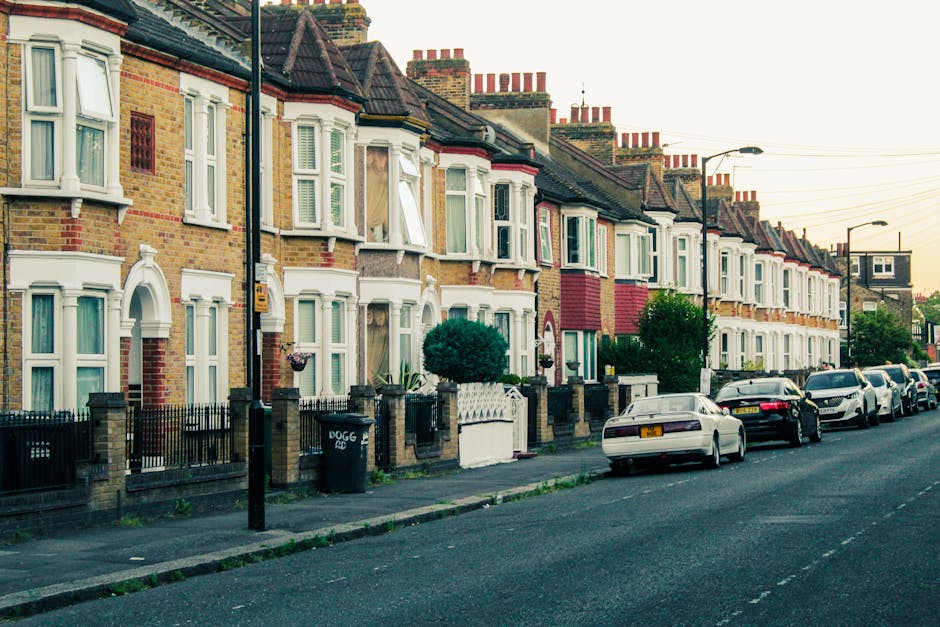
Silvertown Estate to Canning Town? Local moving route guide
Posted on 16/05/2026
Silvertown Estate to Canning Town: Local Moving Route Guide
Moving from Silvertown Estate to Canning Town looks simple on a map. In real life, though, even a short local move can throw up a few surprises: tight access, lift timings, parking pressure, last-minute packing panic, and that awkward moment when the sofa is wider than the hallway. This Silvertown Estate to Canning Town local moving route guide is here to make the whole thing feel more manageable.
Whether you're shifting a flat, a student room, a family home, or just a few bulky items, the trick is not only knowing the route but understanding the little moving decisions around it. Which vehicle suits the job? When should you book? What should you pack first? And what do you do if you need help on the day? Let's break it down properly, without the fluff.
For a deeper look at the wider process, you may also find our guide to making a house move feel less stressful useful, especially if you are juggling several tasks at once.

Why Silvertown Estate to Canning Town? Local moving route guide Matters
On paper, a move from Silvertown Estate to Canning Town is a local hop. That is exactly why people sometimes underestimate it. Short-distance moves often feel easy right up until the practical details arrive. A few extra trips, a bad parking spot, or a badly packed wardrobe box can turn a straightforward afternoon into a long, tiring day.
This route guide matters because local moves are won or lost on timing and preparation. You are dealing with a compact London environment, where roads can be busy at the wrong hour, access may be tighter than expected, and apartment blocks sometimes have their own rules about loading bays, lift bookings, or estate access. Not dramatic. Just fiddly. And fiddly is what causes delays.
It also matters because a local move is often done without a huge buffer. People assume, quite reasonably, that they can do it quickly. Then the mattress needs wrapping, the fridge needs emptying, and the keys for the new place are not quite ready. That is where a little route planning and move planning pays off.
Truth be told, the biggest value here is not the distance. It is the coordination. If you have already started decluttering, our decluttering tips for a successful move can help you reduce the load before the van even arrives.
How Silvertown Estate to Canning Town? Local moving route guide Works
The move itself usually follows a simple pattern: prepare your items, choose the right removal support, load efficiently, travel the short local route, then unload in a sensible order at the new address. The real skill is doing each step in a way that reduces wasted time and avoidable strain.
In practical terms, a local move between these two areas often works best when you think in terms of access rather than mileage. Can the vehicle stop close to both properties? Is there a lift, or just stairs? Are there time windows where access is better? Can large furniture be taken out without turning the stairwell into a tight puzzle? These questions matter more than the map pin.
If you are using professional help, you are usually choosing between a man and van service, a removal van, or a fuller removals package. The right option depends on the size of the move, the amount of furniture, and how much heavy lifting you want to avoid. If you need a broader overview of what is available locally, the services overview is a useful place to start.
For bulky or awkward pieces, the move often benefits from specialist handling. A sofa, bed frame, piano, freezer, or glass table is not something you want to improvise with. We have also covered moving beds and mattresses safely and how to store a freezer properly if those items are part of your job list.
Key Benefits and Practical Advantages
A well-planned local move brings a few clear wins. Some are obvious, some are the kind you only really appreciate at 6:30 in the evening when the kettle is finally plugged in and the boxes are not everywhere.
- Less wasted time: Good planning keeps loading, travel, and unloading moving in a clean sequence.
- Reduced damage risk: Proper wrapping, padding, and lifting methods protect furniture and doorways.
- Lower stress: When you know what is happening next, the day feels more controlled.
- Better cost efficiency: Fewer delays and fewer extra trips usually mean better value.
- Safer handling: Heavy items and awkward corners are easier to manage with the right support.
There is also a smaller but important benefit: you can settle into the new place faster. That matters a lot in Canning Town, where many moves involve flats, shared buildings, or tight turnarounds. If your belongings arrive sorted, labelled, and accessible, you avoid that maddening late-night rummage for a phone charger or the saucepan you need for tea.
For heavier loads, local movers often combine practical route knowledge with equipment and handling experience. If you are comparing service options, you may want to look at man and van support in Canning Town or a more comprehensive house removals service, depending on the size of your move.
Who This Is For and When It Makes Sense
This guide is useful for anyone moving between Silvertown Estate and Canning Town, but it is especially helpful if your move falls into one of these buckets:
- Flat movers: You may have stairs, lift restrictions, or limited parking.
- Students: Usually small loads, but often tight budgets and tight deadlines too.
- Families: More items, more furniture, and more chances for things to get lost in the shuffle.
- Office or small business moves: Timing and equipment protection become much more important.
- Same-day movers: Helpful when plans change suddenly or completion timings shift.
If you are moving from a studio or one-bedroom flat, a local van and a couple of careful loading runs may be enough. If you have a full household, then a more structured removals approach is often the calmer choice. And yes, calmer is underrated. Very underrated.
Students in particular often need a simple, affordable setup. If that sounds like you, have a look at student removals in Canning Town. For last-minute changes, same-day removals can also be a sensible fallback, provided the inventory is realistic.
Step-by-Step Guidance
Here is a practical way to handle the move without making it bigger than it needs to be.
- Confirm the exact collection and drop-off details. Check floor levels, entry codes, parking space options, and any moving time limits.
- Declutter first. Move only what you actually want. Anything you do not need just adds weight and confusion.
- Pack by room and priority. Keep essential items separate so you are not searching through ten boxes for toiletries or chargers.
- Protect fragile and bulky items. Use wrapping, blankets, tape, and proper box selection.
- Measure awkward furniture. Doors, stair bends, and hallways can be the real bottleneck.
- Choose the right vehicle and manpower. A small move may suit a van; larger homes may need more support.
- Load in a sensible order. Heavy items first, fragile items last, and essential bags kept accessible.
- Travel the route at a realistic time. Avoid rushing if a slightly later departure will cut congestion or ease access.
- Unpack the basics first. Start with beds, bedding, kettle, toiletries, and kitchen essentials.
A small but useful point: if you are moving furniture, do not leave everything for the day itself. Our furniture removals service is designed for exactly this kind of local job, where the difference between smooth and stressful often comes down to handling and sequencing.
If you're packing the last few boxes late at night, because of course you are, the step-by-step packing guide is worth reading before you seal anything else.
Expert Tips for Better Results
These are the small decisions that make a local move feel noticeably easier.
- Use a room-by-room label system. Keep it simple: room name, item type, and whether the box is fragile.
- Pack an essentials bag. Include documents, medication, charger, snacks, wipes, keys, and a change of clothes.
- Disassemble only what helps. Do not take apart furniture if it will just create extra work later. Be selective.
- Wrap corners and edges. Hallway knocks are common, especially with wardrobes and table legs.
- Keep one clear walkway. It sounds obvious, but cluttered access slows everyone down.
- Ask for help early. Heavy lifting is much safer when you are not doing it on instinct alone.
A good moving day often feels surprisingly calm because the preparation was boring in advance. That is the secret, really. Not glamorous. Very effective. And if you are unsure about lifting technique, our guide on kinetic lifting explains the basic idea in plain English.
For delicate or high-value items, it is better to overprotect than underprotect. A little extra wrapping, a stronger box, or a second pair of hands can save a lot of grief.
Common Mistakes to Avoid
Most local move problems come from a handful of predictable mistakes. The good news is that they are easy to avoid once you know what to look for.
- Underestimating access: A move that looks quick can stall if the van cannot park nearby.
- Packing too late: Rushed packing leads to broken items and missing essentials.
- Ignoring bulky items: Sofas, beds, and appliances need planning, not guesswork.
- Not checking building rules: Lift use, delivery slots, and loading areas can affect timing.
- Overstuffing boxes: Heavy boxes are harder to carry and more likely to split.
- Forgetting clean-down time: Leaving a property in a mess slows your handover and makes the day feel messier than it is.
One small but common issue is the freezer or fridge. People focus on moving it, then forget the preparation stage. That is how you end up with water, odour, or a rushed job. If you need a practical reference, see how to store a freezer properly and plan ahead.
Another easy mistake: assuming a short move does not need insurance or safety consideration. Even a brief trip can go wrong if an item shifts or a staircase is awkward. A sensible provider should be clear about protective handling and cover. If you want to check the basics, our insurance and safety information is worth a read.
Tools, Resources and Recommendations
You do not need a warehouse of equipment for a local move, but a few practical tools help more than most people expect.
| Item | Why it helps | Best use |
|---|---|---|
| Sturdy boxes | Protects contents and stacks more safely | Books, kitchenware, personal items |
| Bubble wrap or paper | Cushions fragile items | Glass, ornaments, electronics |
| Furniture blankets | Reduces scuffs and corner damage | Sofas, tables, wardrobes |
| Ratchet straps | Helps secure loads in transit | Heavy or awkward items |
| Tape and labels | Keeps packing organised | Almost everything, honestly |
For many local customers, the best combination is simple: decent packing supplies, a reliable van, and a service that understands the local area. If you need packing materials, packing and boxes in Canning Town can support the prep side of the move.
And if the move turns out to be a bit bigger than expected, you can scale up to a broader removals service in Canning Town rather than trying to patch together the day with last-minute favours.
One practical recommendation many people ignore: keep your documents and valuables with you, not in the van. That includes passports, tenancy paperwork, laptop bags, house keys, and anything you would be annoyed to lose. Which is most things, really.
Law, Compliance, Standards, or Best Practice
For a local move, the compliance side is usually about common-sense best practice rather than complex legal rules. Still, it matters.
In the UK, movers and customers both benefit from clear handling expectations, safe loading practices, and fair communication about access, timing, and pricing. If a building has parking restrictions, you should plan around them. If the items are heavy or awkward, lifting should be done safely and with the right equipment where possible. If a service offers insurance or damage cover, read the detail rather than assuming everything is included automatically.
It is also sensible to check terms and conditions before booking, especially for cancellations, waiting time, or service limits. You can review the site's terms and conditions alongside the pricing and quotes guidance so you know what to expect.
Reputable local operators should be open about safety and fair treatment. If that matters to you, the pages on health and safety, accessibility, and recycling and sustainability add useful context for responsible service delivery.
Options, Methods, or Comparison Table
Not every local move needs the same level of support. Here is a simple comparison to help you choose.
| Option | Best for | Pros | Watch out for |
|---|---|---|---|
| DIY van hire | Very small moves with flexible timing | Can be cheaper if you already have help | Loading stress, lifting risk, parking hassle |
| Man and van | Studios, flats, partial moves, single bulky items | Quick, flexible, practical for local routes | May not suit very large household moves |
| Full removals service | Homes with furniture, mixed items, or time pressure | More support, less strain, better organisation | Can cost more, but often saves effort |
| Same-day service | Urgent or changing plans | Fast response when timing is tight | Less ideal for poorly prepared jobs |
If your move is mostly furniture-heavy, the balance often tips toward a proper removals service. If it is a flat move with a few large items, flat removals in Canning Town may be the most natural fit. For a single bulky item like a piano, do not improvise; use specialist support such as piano removals in Canning Town.
Case Study or Real-World Example
Imagine a tenant moving from Silvertown Estate to a flat in Canning Town on a Friday afternoon. The property is only a short distance apart, but the new building has limited loading space and a lift that needs to be booked. The old flat has a bed, sofa, TV stand, fridge-freezer, and eight or nine boxes, plus a bike and a few loose bits that somehow multiply when nobody is looking.
Without preparation, this sort of move can become a stop-start process: carry down a few items, wait for access, worry about parking, then realise the mattress is not wrapped and the kitchen box is buried. With a better plan, the mover does things in order. Fragile items are boxed early, the fridge is emptied and secured the night before, large furniture is measured against the stairwell, and the essentials bag stays with the person moving.
By the time the van arrives, the actual route is the easiest part. Load, travel, unload, settle. The day still has its tired moments, of course. Moving always does. But the difference is that nothing feels chaotic, and that is a big deal when you are trying to start somewhere new.
That is also why many people use a local provider they can talk to directly. If you are interested in that style of move, our article on moving from Silvertown Way to Canning Town sits closely alongside this guide and gives a useful local perspective.
Practical Checklist
Use this checklist in the day or two before moving. It keeps the small stuff from slipping through the cracks.
- Confirm both addresses, access instructions, and contact numbers.
- Check whether parking or loading space is available near each property.
- Book lift times or building access slots if needed.
- Declutter and donate or recycle anything you no longer want.
- Pack fragile items separately and label them clearly.
- Prepare an essentials bag for the first night.
- Wrap furniture corners, mirrors, and screens.
- Defrost and prepare appliances in advance if needed.
- Keep valuables and important documents with you.
- Take final meter readings and photos if relevant.
- Do a last walk-through of the old property.
- Make sure keys, fobs, and building passes are accounted for.
If you are already at the packing stage, a quick read of how to leave a property clean before moving can also save you from an awkward last-minute scrub. Nobody needs that extra drama, to be fair.
Conclusion
A move from Silvertown Estate to Canning Town should be manageable, especially when you treat it as more than a short drive. The route matters, yes, but the real success comes from planning access, packing well, protecting furniture, and choosing the right kind of support for your load.
Do that, and the whole day becomes much easier to live through. You will still get tired. You may still misplace one thing for a while, because that seems to be part of the ritual. But the move itself will feel controlled, and that is what most people really want: a calm handover from one place to the next.
If you want help turning a local move into a straightforward job, take the next step with a service that understands the area, the buildings, and the practical realities behind the postcode.
Get a free quote today and see how much you can save.