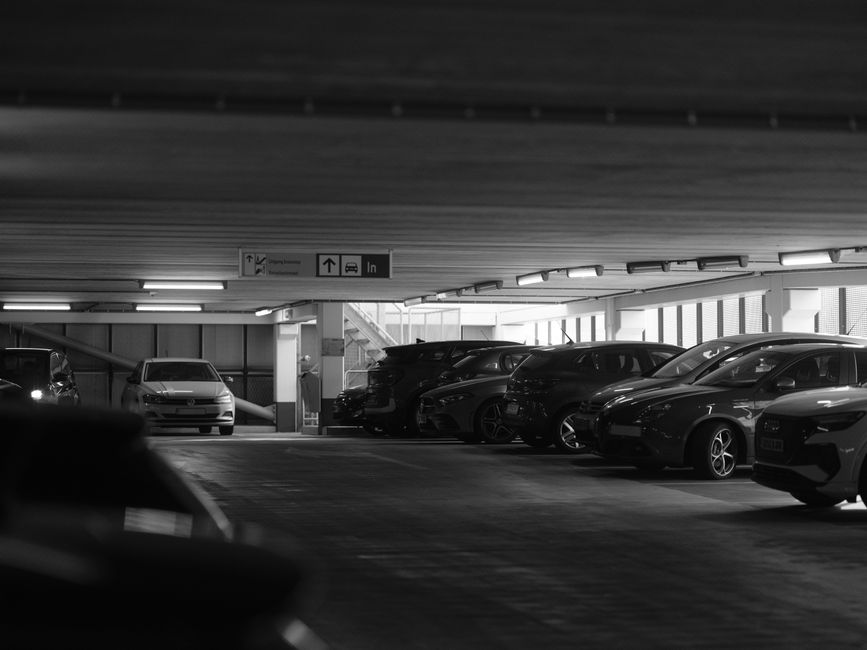
Do I need a parking permit for a moving van in Canning Town?
Posted on 12/07/2026
If you are planning a move in Canning Town, one of the first questions that crops up is simple enough: do I need a parking permit for a moving van in Canning Town? In many cases, the honest answer is "it depends". That can be annoying, but it is also the truth. It depends on where the van will stop, how long it will be there, whether the bay is controlled, and whether any local restrictions apply on the day.
Get this wrong and a perfectly ordinary moving day can turn into a small headache: a stressed driver, a blocked street, a knock-on delay for your lift-outs, and sometimes a penalty notice that nobody wanted. Get it right, and the whole thing feels calmer. You know where the van is going, how long it can stay, and what to do if access is tight. This guide breaks it down in plain English, with a local focus and practical steps you can actually use.
As a side note, moving day has enough moving parts already. You do not need parking confusion joining the party.
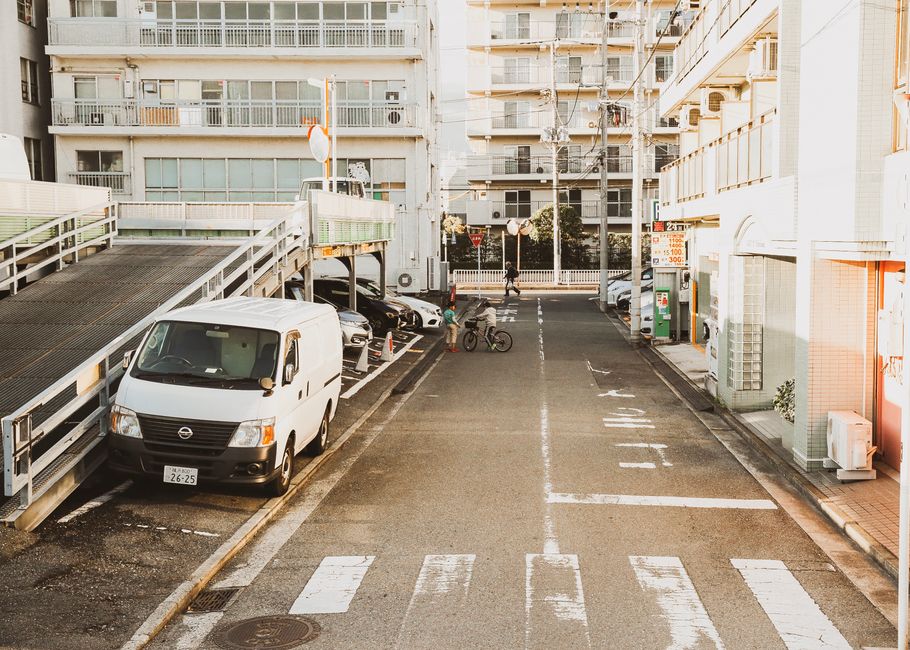
Why do I need a parking permit for a moving van in Canning Town matters
Parking is not just a "nice to sort out later" detail. In Canning Town, access can be tight, streets can be busy, and a moving van can easily take up more room than people expect. If the van needs to stop on a controlled bay, loading bay, yellow line, or a residential street with restrictions, a permit or dispensation may be needed. Without one, you risk fines or being forced to move the vehicle mid-load, which is exactly the sort of interruption that slows everything down.
There is also a practical angle. A permit can help the driver park closer to your entrance, which means less carrying, less time on the pavement, and fewer chances for items to be bumped or dropped. That matters more than people think, especially if you are moving heavier furniture or awkward pieces. If you are packing smartly beforehand, a good parking setup complements everything else; it fits nicely with advice from a step-by-step packing plan and practical decluttering guidance.
In plain terms: parking affects timing, safety, cost, and stress. That is why it deserves proper attention rather than a quick shrug and a hopeful glance at the kerb.
How do I need a parking permit for a moving van in Canning Town works
The process usually starts with checking the exact location where the van will stop. Not the postcode in a vague sense, but the actual side of the street, the bay type, the road markings, and the likely loading time. In London areas like Canning Town, parking control can vary from one street to the next. A short stop for loading may be treated differently from leaving a van parked for several hours while you move in and out of a flat.
In practice, there are a few common scenarios:
- Private driveway or private land: you may not need a street parking permit, but you still need permission from the landowner or managing agent.
- Unrestricted street parking: a permit may not be needed, although size, obstruction, and local rules still matter.
- Controlled bay or loading area: a parking bay suspension, dispensation, or temporary permit may be required.
- Yellow line or access-sensitive street: stopping rules can be stricter, so this needs careful checking.
The main point is that "moving van" does not automatically mean "special exemption". A van is still a vehicle, and local parking rules still apply. If the move is time-sensitive, the sensible route is to build parking planning into the booking rather than leave it until the morning of the move. If you are dealing with a flat move or a same-day move, timing matters even more, which is why pages such as flat removals in Canning Town and same-day removals in Canning Town are often relevant in the planning stage.
Key benefits and practical advantages
Sorting parking properly is not glamorous. Nobody shows up on moving day excited about bay restrictions. Still, the benefits are real and immediate.
- Less time wasted: the van can stop closer to your door, which helps the whole move run on schedule.
- Reduced carrying distance: fewer metres carrying a sofa or fridge makes a big difference by the third or fourth trip.
- Lower risk of disruption: no one wants to pause loading because a warden is circling or a neighbour needs the space.
- Better safety: a sensible parking position reduces the chance of rushing, awkward lifting, or blocking pedestrians.
- Cleaner communication: everyone knows where the van is meant to be, which keeps the day calmer.
There is also a commercial side. When parking is sorted, quotes are easier to understand because the time on site is more predictable. That connects well with the way people review removal quotes and hidden fees, since access issues can affect the final schedule. In our experience, a move rarely goes wrong because of one huge problem. It is usually the accumulation of little delays. Parking is one of the little ones.
Expert summary: If your moving van will stop on a public road in Canning Town, treat parking as part of the move plan, not an afterthought. That single decision can save time, friction, and avoidable stress.
Who this is for and when it makes sense
This question matters for more people than you might expect. It is not just for big house moves with a long furniture list. A parking permit or parking plan can be useful for:
- tenants moving in or out of a flat
- students shifting belongings between term-time accommodation
- families moving a full household
- office teams relocating desks or boxes
- people needing urgent or same-day removals
- anyone moving bulky items like beds, wardrobes, or white goods
If you live in a block with narrow access, shared entrances, or limited roadside space, the parking question becomes even more important. The same goes for busy local routes where a van cannot simply "pull up and stay there a bit". If you are handling awkward or heavy items, parking near the entrance also helps with safer handling. That is especially true for items discussed in heavy lifting guidance and kinetic lifting techniques, where good positioning makes the job noticeably easier.
For some readers, the answer is very simple: if the van can stay entirely on private land, you may not need a permit. For others, especially if the road is controlled or the stop will be lengthy, a permit or permission arrangement is the safer path.
Step-by-step guidance
Here is a practical way to approach it without overcomplicating things.
- Identify the exact parking location. Do not rely on assumptions. Check whether the van will be on private land, a marked bay, a loading area, or a normal street space.
- Look at the time window. A short loading stop and a half-day load are not the same. The longer the van stays, the more likely you need formal permission or a permit arrangement.
- Check for restrictions on the road. Pay attention to yellow lines, resident-only zones, loading limits, and signs. One overlooked sign can undo the best-laid plan.
- Ask about parking controls early. If you live in a managed block, contact the landlord, concierge, or managing agent in good time. If it is a street move, make sure the driver knows the area.
- Build parking into the booking notes. The van provider should know whether a permit is needed, who is arranging it, and where the van can stop.
- Prepare for Plan B. If the nearest bay is occupied, know the next-best stopping point. Moves always go better when there is a backup idea.
- Keep documents and permissions handy. Even if no permit is needed, having confirmation details ready avoids awkwardness on the day.
One simple but overlooked point: check the move the day before. Streets change. Someone parks where they should not. A bay is suspended. A temporary restriction appears. It happens. A quick re-check can save a frustrating scramble at 8:10 on a damp Monday morning.
Expert tips for better results
After enough moves, a pattern shows up. The people who have the smoothest moving days are not always the most organised in the strictest sense. They are the ones who think ahead about access.
Here are the tips that tend to matter most:
- Measure the walking distance. Even a short extra walk can become tiring when repeated with boxes.
- Keep large items together near the exit. Beds, sofas, and wardrobes should not be scattered all over the property at the last minute.
- Avoid peak congestion where possible. Canning Town can get busy, so a move at a calmer time of day often helps.
- Protect vulnerable items before they hit the van. Good packing and clean surfaces help too, especially if you have checked cleaning before you move.
- Plan for tight corners and stairwells. Parking is only one side of the access equation. If the route from van to door is awkward, the job becomes slower.
To be fair, sometimes the best tip is the most boring one: ask the moving team what they prefer. A driver with local experience will often know where stopping is sensible and where it is asking for trouble. That local knowledge is worth more than people realise.
Common mistakes to avoid
Most parking problems are avoidable. They happen because people assume the simplest answer will be the right one.
- Assuming no permit is needed because it is "just a van". Vehicle size does not cancel parking rules.
- Leaving the check until moving day. By then, you are reacting rather than planning.
- Forgetting about loading times. A van parked for fifteen minutes is different from a van parked for three hours.
- Ignoring managed building rules. Private developments often have their own access expectations.
- Not telling the mover about restrictions. If the driver finds out late, the schedule may need to change.
- Blocking pedestrians or cycle access. Even if it seems convenient, it is a bad idea. Full stop.
There is another mistake that is less obvious: choosing the nearest possible spot without thinking about exit route. The van may be close, but if it is trapped behind another vehicle or in a narrow bay, you can lose all the time you hoped to save. Not ideal, obviously.
Tools, resources and recommendations
You do not need a mountain of equipment to handle parking properly, but a few practical tools make life easier.
- Phone notes or a checklist: keep parking instructions, permit details, and access notes in one place.
- Photos of the road or entrance: useful for reminding yourself where the van can actually stop.
- Measuring tape: handy if you are assessing whether furniture can be carried safely from a particular point.
- Labels and room markers: these reduce confusion when the van is parked and the crew is working quickly.
- Protective materials: blankets, covers, straps, and floor protection all help when the loading zone is tight.
It also helps to have a reliable understanding of the moving service itself. If you are comparing different options, the pages on man with a van in Canning Town, man and van services, and removal services in Canning Town can help frame what level of support you actually need. For bigger or more delicate items, furniture removals and piano removals are obvious examples where access planning matters a great deal.
Law, compliance, standards and best practice
This is the bit people often skip, then regret later. Parking rules are not just a suggestion, and moving vans do not get a magic pass because there is a sofa on board. If a vehicle stops on a road with restrictions, local parking enforcement rules may still apply. In London, local streets can have controlled parking, loading restrictions, resident bays, and time-limited stopping rules. The exact arrangement depends on the street and the property, so it is wise not to assume.
Best practice is straightforward:
- check the local signs carefully
- confirm permissions in advance
- do not obstruct driveways, crossings, or emergency access
- allow extra time for loading and unloading
- keep communication clear between the customer and the driver
If you are moving from a block with shared access, safety and courtesy matter as much as legality. Good movers think about residents, pedestrians, doorways, and sightlines. That is part of the professionalism you want from any moving team, and it lines up with the practical approach you will also see in insurance and safety guidance and health and safety policy information.
One more thing: if the move involves disposal of bulky items, parking and access can matter there too. Some customers combine a move with clearance work, and that can change where the van needs to stop. For that sort of planning, bulky waste removals advice and local bulky item rules guidance are worth reading alongside your move plan.
Options, methods and comparison table
There is more than one way to handle parking for a moving van. The best option depends on your street, property type, and the amount you are moving.
| Option | Best for | Pros | Potential downside |
|---|---|---|---|
| Private driveway or private land | Homes, some managed developments | Least exposure to street restrictions; easy loading if access is good | May still need permission; space can be tight |
| Street parking without permit | Unrestricted roads or short stops | Simple if legal and available | Availability may be unpredictable |
| Temporary permit or dispensation | Controlled streets, longer moves | More certainty, better planning | Needs advance preparation |
| Loading bay or managed access point | Flats, offices, busy roads | Useful for shorter, structured loading | Time limits may be strict |
For many Canning Town moves, the right answer is not "get a permit" or "don't get one" in absolute terms. It is "choose the arrangement that gives the van lawful, safe, close access". That is the difference between a tidy move and a muddled one.
Case study or real-world example
Imagine a fourth-floor flat move near a busy local road. The property has stairs, a shared entrance, and only limited curb space outside. The customer thinks the van can just stop outside for an hour. On the day, the nearest spot is partly occupied, a neighbour needs access, and the driver is forced to park further away than planned.
Now compare that with a better-planned version. The parking question was checked two days before. The mover knew the street controls and had a backup stopping point. The customer had already packed and labelled boxes, following the sort of routine described in stress-free house move advice. The van stopped as close as legally possible, the team loaded efficiently, and nobody had to carry a heavy wardrobe two extra corners down the street. Much less drama. Much better.
That is the real point here. Parking planning does not just avoid tickets. It improves the entire rhythm of the move.
Practical checklist
Use this before moving day.
- Confirm the exact loading spot for the van
- Check whether the road has controlled parking or loading restrictions
- Ask whether a permit, dispensation, or permission is needed
- Tell the mover about any access issues early
- Keep a backup parking option in mind
- Prepare boxes and furniture so the van can load quickly
- Make sure hallways, stairwells, and entrances are clear
- Have contact details and written confirmations ready
- Allow extra time for the first load
- Recheck the area the day before the move
If you are still sorting the physical side of the move, the following can help as you get ready: packing and boxes in Canning Town, bed and mattress moving tips, and proper freezer storage advice. Small details, yes, but they add up.
Get a free quote today and see how much you can save.
Conclusion
So, do you need a parking permit for a moving van in Canning Town? Sometimes yes, sometimes no. The real answer depends on the exact street, the length of the stop, the type of parking available, and whether the property has its own access arrangement. That might sound a little annoyingly flexible, but it is the most useful answer you can get.
The safest approach is to check the parking setup early, communicate it clearly, and plan for loading and unloading as part of the move itself. When parking is handled well, everything else tends to feel easier: less rushing, fewer surprises, and a much better start to your new place. Truth be told, that is what most people want more than anything else.
Take your time with the details, and the day will usually take care of itself.