E16 bulky waste removals: sofas, mattresses and white goods
Posted on 18/06/2026
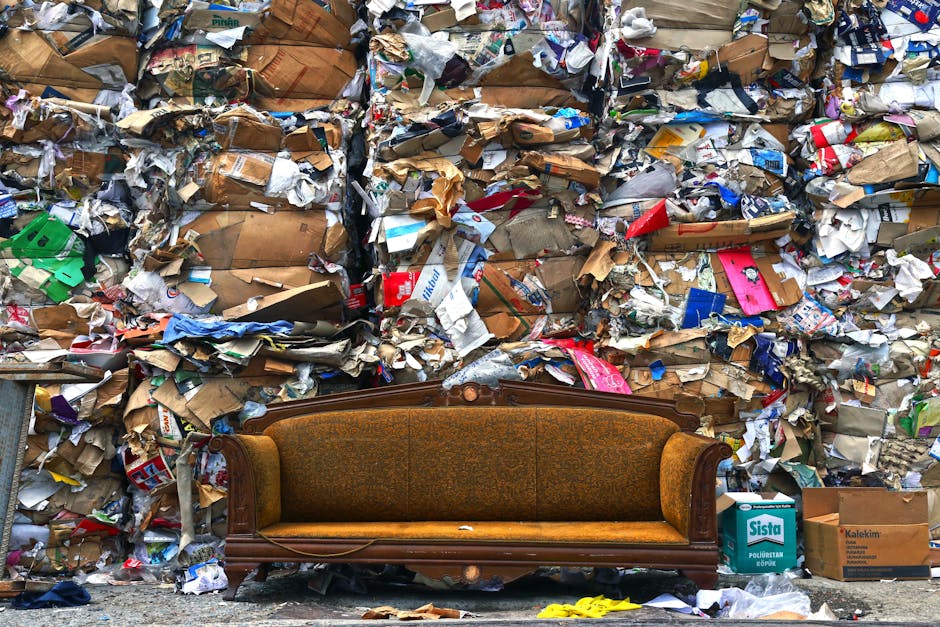
If you live in E16 and a worn-out sofa, an awkward mattress or a heavy fridge-freezer has been sitting in the way for too long, you already know the problem: bulky waste is never just "one item". It is heavy, awkward through hallways, messy to shift, and surprisingly easy to get wrong. E16 bulky waste removals: sofas, mattresses and white goods is about getting those items out safely, legally and without turning your day into a backache and a half.
This guide breaks down how bulky item removal works in practical terms, when it makes sense, what to avoid, and how to prepare properly. You will also find a simple checklist, a comparison of the main options, and a few local realities that matter in East London flats, maisonettes and busy streets.
Why E16 bulky waste removals: sofas, mattresses and white goods Matters
Bulky waste looks simple from a distance. Then you try to move a three-seater sofa down a tight stairwell, or drag a washing machine past a door frame that seems to have shrunk overnight. That is where the real challenge shows up. In E16, where many homes are flats, converted buildings or compact properties, the space problem is often just as awkward as the weight.
There is also the issue of disposal. Sofas, mattresses and white goods are not items you want to leave to chance. Some can be reused, some can be recycled, and some need special handling because of electrical components, oils, gases or bulky frames. If you rush the process, you may end up with damage, injury, missed collection slots, or items that simply sit there another week. Nobody needs that extra clutter hanging around.
For many people, the goal is not only to clear space. It is to clear it properly. That means knowing whether the item should be moved, reused, stored, donated, dismantled or taken away by a removal team that understands what they are dealing with. A good bulky waste plan saves time, keeps the property tidy, and makes the whole move feel far less chaotic.
If you are already in decluttering mode, it can help to pair this with essential decluttering practices for a successful move. Sorting items before removal is one of those dull-sounding tasks that quietly makes everything easier.
How E16 bulky waste removals: sofas, mattresses and white goods Works
At a practical level, bulky waste removal is a managed collection and transport service for oversized household items. The process usually starts with identifying what needs removing, followed by checking access, weight, condition and disposal route. That last part matters more than most people think.
A sofa can often be carried out whole if the route is clear. A mattress may need protective wrapping to keep stairwells and lifts clean. A white good such as a fridge, freezer, washing machine or tumble dryer may require extra caution because of residual water, doors, sharp edges or, in the case of some appliances, refrigerant and electrical components. To be fair, these things are designed to stay put, not glide gracefully out of a flat.
For local removals, the job is usually split into a few stages:
- assessment of the item and access route
- planning around stairs, lifts, parking and loading space
- safe lifting, handling and protection of walls, floors and doorways
- transport to the correct destination for reuse, recycling or disposal
- final clearance so the room is left usable again
In some cases, a single bulky item can be collected on its own. In others, it makes more sense to bundle several items together. A washing machine, old mattress and armchair in one go is often simpler than three separate headaches. If the job is time-sensitive, a same-day option may be the best fit, especially when you need the place cleared before a tenancy handover or delivery slot. You can see how that style of support fits alongside same-day removals in Canning Town.
Key Benefits and Practical Advantages
The biggest benefit is straightforward: you get your space back without having to wrestle with awkward, heavy objects by yourself. But there is a bit more to it than that.
- Safety: heavy lifting can quickly become risky, especially with narrow access, damp hallways, or tired muscles late in the day.
- Speed: a planned removal is much faster than trying to improvise with borrowed help and a car that is too small.
- Cleaner finish: mattresses and upholstered furniture can shed dust, and white goods can leak residue if they are not handled properly.
- Better recycling outcomes: some items can be broken down and separated more effectively when they are handled by the right team.
- Less stress during a move: bulky items are often the last things people want to think about, yet they can block packing, cleaning and decorating.
There is also the simple emotional benefit of seeing a room transform. A spare bedroom suddenly feels like a spare bedroom again. A hallway stops feeling like a storage depot. That shift matters, especially if you are preparing for cleaners, decorators or new furniture.
If your main issue is a sofa or other large furniture, it may help to look at furniture removals in Canning Town as part of the wider service picture. Bulky waste and furniture moving overlap more than people expect.
Who This Is For and When It Makes Sense
Not every bulky item needs the same approach. Some people just need a single mattress removed after a bed upgrade. Others are emptying a flat after a move-out deadline. And then there are the classic "everything must go by Friday" situations. Life, eh?
This kind of removal makes sense for:
- tenants replacing old furniture before moving out
- homeowners clearing a spare room, loft or garage
- landlords preparing a property for new occupants
- students leaving furnished accommodation with large items behind
- families swapping out old appliances and furniture in one sweep
- anyone who cannot safely lift or transport bulky items alone
It also makes sense when access is tricky. A flat near a busy road, a building with a narrow staircase, or a property with limited parking can turn a simple job into a fiddly one. If you live in a compact home, the planning stage matters as much as the lifting stage. In fact, that is usually where the problem is won or lost.
For flat residents in particular, the constraints can be real. A mattress that seems manageable in a bedroom can become a complete nuisance in a stairwell. If that sounds familiar, flat removals in Canning Town is relevant because the same access issues often show up in bulky waste work too.
Step-by-Step Guidance
Here is a sensible way to handle E16 bulky waste removals: sofas, mattresses and white goods without overcomplicating it.
1. Make a clear list of what is leaving
Start with the basics: what exactly needs to go? Write it down. Separate sofas, mattresses and white goods into categories. If an item has loose parts, drawers or detachable sections, note that too. It sounds obvious, but clear lists stop last-minute confusion.
2. Check condition and handling needs
Ask yourself whether the item is reusable, recyclable, damaged or simply ready for disposal. A sofa with a broken frame may need different handling from one that is still in decent condition. A fridge-freezer should be emptied, defrosted and dried if possible. A mattress should ideally be wrapped or bagged to keep it clean on the way out. Small effort, big difference.
3. Measure access points
Measure doorways, tight corners, lifts and stair turns if you can. It is especially helpful for larger sofas and American-style appliances, though even a standard fridge can be awkward in a narrow corridor. If the item will not fit through a route in one piece, dismantling may be needed.
4. Clear the route before moving day
Remove shoes, lamps, plant pots, bins, side tables and anything else that might trip someone or get knocked over. If you have children or pets, keep them out of the work area. This is one of those moments where tidy space equals safer lifting.
5. Protect floors and walls
Use blankets, corner guards or simple covers where needed. In a rented property, this is doubly useful because you want to avoid scuffs that become a discussion later. If you are doing your own preparation, a little protection goes a long way.
6. Disconnect white goods correctly
For appliances, make sure they are disconnected safely before collection. Washing machines should be drained and hoses removed. Fridges and freezers need time to thaw and dry. If a machine smells odd or leaks, deal with that before anyone starts carrying it around the flat.
7. Decide on reuse, recycling or disposal
Some items are still serviceable and could be passed on. Others are at end of life. A responsible remover should be able to direct items toward the right route where possible, rather than treating everything the same. It is a small detail, but an important one.
8. Book the right collection window
Choose a time that suits access, parking and building rules. Morning collections can be easier in busy parts of E16, simply because fewer spaces are blocked and hallways are quieter. That little bit of breathing room helps.
Expert Tips for Better Results
After handling plenty of awkward moves, a few habits stand out.
- Strip mattresses early. Do not leave bedding on until the last minute. It adds bulk and gets in the way.
- Empty drawers and cupboards in sofas. Hidden items make lifting harder and can shift mid-carry.
- Unplug appliances the night before where possible. Fridges and freezers need defrost time; that part is easily forgotten.
- Use gloves with grip. Smooth surfaces on white goods and upholstered corners can be surprisingly slippery.
- Keep paths short and simple. Every extra turn adds risk, especially with heavy items.
One useful trick is to think in reverse: before anyone lifts anything, imagine the item already outside. What would block the route? What door would catch? Where would the turn be tight? A minute of thinking often saves ten minutes of struggling.
For lifting technique, there is a worthwhile read on kinetic lifting, and if you are dealing with something especially heavy or awkward, heavy lifting done safely is a good reminder that muscle alone is not the answer.
And a slightly boring but important note: the cleaner the item, the easier the handover. A mattress that has been stored dry and wrapped properly is a far nicer thing to move than one that has picked up dust, moisture or, honestly, a mysterious smell from the corner of the room. No one wants that.
Common Mistakes to Avoid
Most bulky waste problems come from rushing. Not dramatic rushing. Just enough haste to make everything harder than it needed to be.
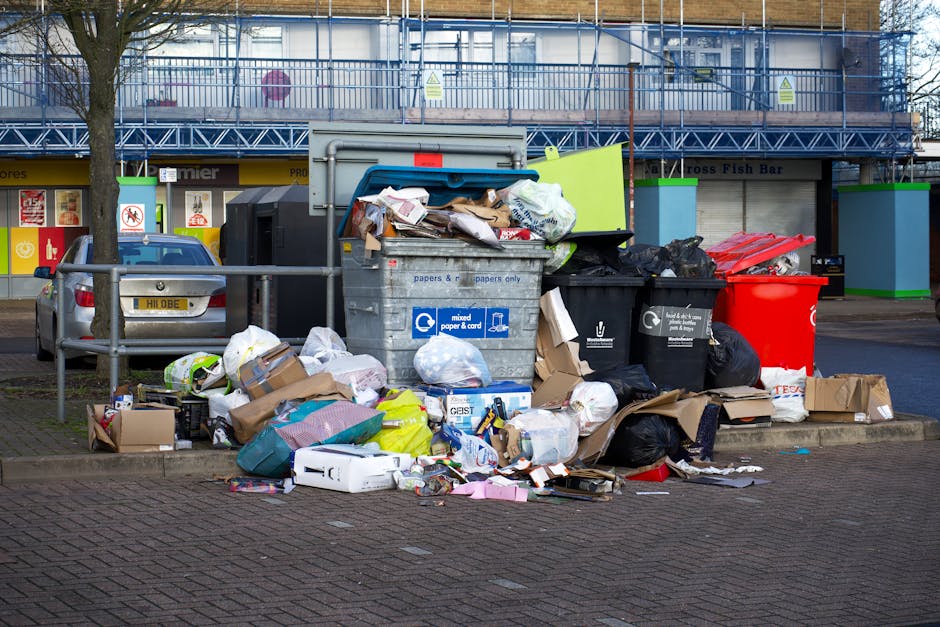
- Leaving preparation until collection day. This is the biggest one. Defrosting, clearing and measuring all take time.
- Forcing items through tight spaces. If it does not fit, do not make it fit. That is how damage happens.
- Assuming white goods are light once emptied. They are not. Empty does not mean easy.
- Not checking building access rules. Lifts, loading bays and parking restrictions can ruin a well-planned job.
- Skipping route protection. Scratched walls and floors are annoying, and avoidable.
- Mixing reusable items with true waste. Some things should be passed on, not dumped by default.
There is also a tendency to underestimate mattress disposal. It looks soft and harmless. Then you carry one down two flights of stairs and realise it has the aerodynamic properties of a small sail. Slight joke, but only slightly.
If the item is part of a bigger move-out, the clean-up stage matters too. A good preparation pass like achieving flawless cleanliness before you move can make the whole handover feel much smoother.
Tools, Resources and Recommendations
You do not need a warehouse full of specialist kit to handle bulky waste well. But a few basics make a noticeable difference.
- Work gloves: for grip and hand protection
- Removal blankets: to protect furniture, doors and walls
- Straps or webbing: useful for controlled lifting and carrying
- Tape and wrapping material: handy for securing loose parts
- Plastic appliance trays or towels: useful if there is still residual moisture in a machine
- A dolly or trolley: useful when the access route allows it
Preparation resources also matter. If you are tackling multiple rooms, a simple room-by-room plan helps. You may find a step-by-step packing plan useful even for bulky waste, because the same logic applies: organise before you move.
For bigger property clearances or full household moves, services such as removals in Canning Town, man and van support, and removal services in Canning Town can all sit around the same practical need: move things out properly, without making a mess of the day.
If budget is on your mind, look at pricing and quotes early rather than at the end. That gives you time to compare what is included and avoid nasty surprises.
Law, Compliance, Standards, or Best Practice
Bulky waste work should always be handled with care and in line with accepted UK waste handling practice. I am keeping this plain-English on purpose, because the main thing for you is not memorising regulations; it is knowing what sensible, responsible handling looks like.
In general, you want to be confident that the person removing your items is disposing of them responsibly, especially for electrical appliances and large furniture. White goods may contain components that need proper treatment. Mattresses and upholstered items can also be tricky because they are large, awkward and not always suitable for a simple dump-and-go approach.
Best practice usually means:
- separating reusable items from waste where possible
- avoiding unsafe manual lifting
- preventing spills, leaks and property damage
- using a suitable vehicle and loading method
- keeping the process tidy, traceable and honest
For your own peace of mind, it also helps to understand what safety and handling standards a remover follows. The page on insurance and safety is a sensible place to check how risk is managed in practice, while health and safety policy gives a good sense of the principles behind careful work.
Accessibility matters too. Not every property is easy to navigate, and not every customer can assist with lifting. A thoughtful service should account for that rather than forcing a one-size-fits-all approach. That is just common sense, really.
Options, Methods, or Comparison Table
There are a few ways to deal with bulky waste in E16. The right choice depends on the item, your time, your access route and how much lifting you want to do yourself. Truth be told, most people choose the option that causes the least faff.
| Method | Best for | Pros | Limitations |
|---|---|---|---|
| DIY disposal | Small amounts, easy access, strong helpers | Can feel cheaper if everything goes smoothly | Heavy lifting, vehicle size issues, disposal complexity, more time |
| Single-item collection | One sofa, one mattress or one appliance | Simple, focused, quick to organise | Less efficient if you have several bulky items |
| Full removal service | Multiple items, flats, stairs, mixed loads | Better for awkward access and larger clear-outs | Needs more planning, usually more expensive than DIY |
| Same-day collection | Urgent handover, moving deadline, last-minute clearance | Fast turnaround and reduced stress | Availability can be limited, especially at busy times |
For many E16 homes, the best option is a removal team with a suitable van and proper handling gear rather than an improvised DIY run. If you need a vehicle that matches awkward furniture and appliances, a removal van in Canning Town is the sort of detail that can make the work much easier.

Case Study or Real-World Example
Here is a realistic example from the kind of job that comes up all the time.
A couple in E16 were moving out of a second-floor flat and had three main bulky items to clear: a large corner sofa, an older mattress, and a fridge-freezer that had been replaced during the final week. At first, they planned to handle it themselves over two evenings. Then they looked at the staircase. Narrow turn, low ceiling in one section, and a landing that was barely wide enough to stand on without feeling like you were in someone else's elbow space.
Instead of forcing the issue, they sorted the items the day before: emptied the fridge-freezer, let it defrost, removed loose sofa cushions, and cleared the hallway completely. On collection day, the items were moved in a controlled order. The mattress was wrapped, the appliance was kept upright, and the sofa was taken out without scraping the walls. The job took far less time than their DIY plan, and they got the flat cleaned and ready for final checks the same afternoon.
That kind of result is not dramatic. It is just efficient. And honestly, efficient is what you want when you are already juggling keys, utility readings, and one last sweep for forgotten chargers.
For local context, these kinds of jobs often sit alongside E16 flat moves near Canning Town Station or other compact-property moves, where access and timing are everything.
Practical Checklist
Use this checklist before your bulky waste collection or removal appointment.
- Confirm exactly which items are leaving.
- Check whether anything can be reused, donated or recycled.
- Measure doors, stairs, corners and lift access.
- Clear the hallway and loading route.
- Protect floors, corners and tight wall sections if needed.
- Empty and disconnect white goods safely.
- Defrost fridge-freezers in advance.
- Remove bedding, cushions and loose parts from sofas and mattresses.
- Keep pets and children away from the work area.
- Check parking and building access arrangements.
- Have keys, contact details and timing ready.
- Ask about recycling or reuse handling where relevant.
Expert summary: the smoother the preparation, the safer the removal. Most bulky waste delays come from access issues or last-minute prep, not from the actual lift itself. A little planning on the front end saves a lot of sighing later.
Get a free quote today and see how much you can save.
Conclusion
E16 bulky waste removals: sofas, mattresses and white goods is really about making a difficult job simple, safe and properly managed. The right approach depends on access, item type, urgency and whether the load should be reused, recycled or disposed of. Once you strip away the noise, the principle is straightforward: prepare well, lift carefully, and choose the option that fits the property rather than fighting it.
If you are dealing with bulky items as part of a larger move, it is worth thinking ahead about packing, cleaning, lifting and timing together rather than as separate problems. That is usually where the stress drops away. One clear plan, one tidy route, one less thing to worry about.
And if you are still staring at that sofa in the corner wondering how on earth it got that big, fair enough. We have all been there. The good news is, it does not need to stay there.