Newham Council bulky item rules: fines for Canning Town moves
Posted on 04/07/2026
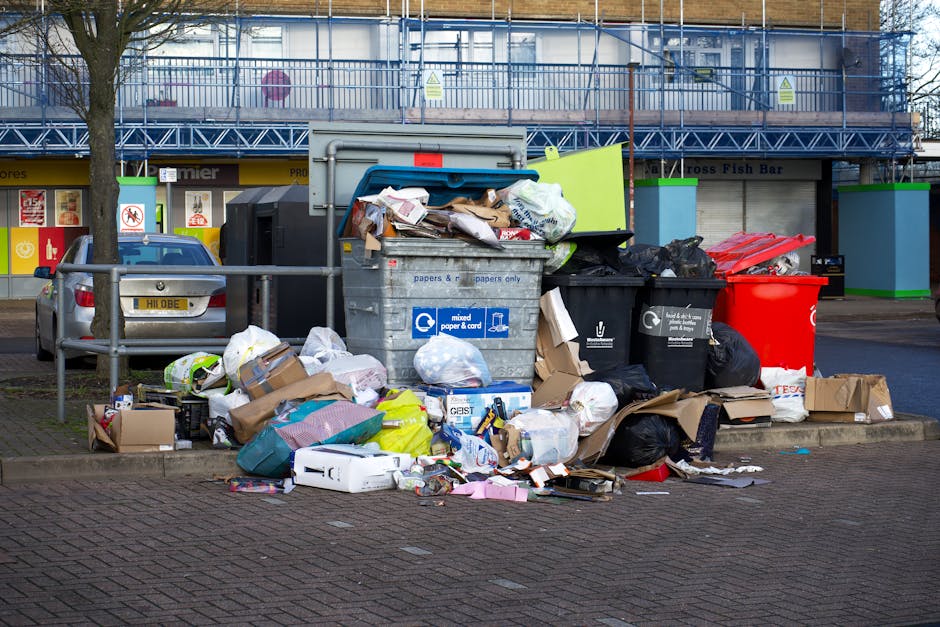
If you are moving house in Canning Town and have a sofa, mattress, freezer, or other large unwanted item to get rid of, the rules can bite faster than people expect. Newham Council bulky item rules are not the sort of thing you want to half-read on moving day, because the wrong skip, missed booking, or left-on-street item can trigger complaints, delays, and in some cases fines. The good news? Once you understand how bulky waste is handled in Newham, you can plan your move properly, stay on the right side of the council, and avoid that awful last-minute panic when the van is already outside.
This guide breaks it down in plain English: what counts as bulky waste, where fines can come from, how moving day changes the picture in Canning Town, and the smartest way to clear space without creating a bigger problem. It is practical, local, and built for real moving scenarios, not theory.
Why Newham Council bulky item rules: fines for Canning Town moves Matters
Bulky waste seems simple until you are actually standing in a hallway with a broken wardrobe and a tight moving timetable. In Canning Town, the problem is not just disposal. It is timing, placement, access, and whether the item is being handled in a way the council considers lawful. Leave bulky items on the pavement because you are "only there for an hour", and you may be creating an enforcement issue, not just a clutter issue.
The rules matter for three reasons. First, they protect shared streets, estates, and common areas from fly-tipping and obstruction. Second, they help keep your move from going off the rails. Third, they can save you money. A cheap shortcut sometimes turns into a fine, a missed collection, or a cancelled handover with the landlord. And that, let's face it, is the kind of stress nobody needs on a wet Wednesday in East London.
There is also a practical reality here: Canning Town moves often involve flats, tight stairwells, parking pressure, and limited loading space. That combination makes bulky waste planning more important, not less. If you are decluttering before the move, it is worth reading essential decluttering practices for a successful move so you separate keep, donate, recycle, and dispose items early rather than at the kerbside five minutes before key handover.
Expert summary: The safest approach is simple: identify bulky items early, confirm how they will be removed, and never treat the street, communal hallway, or bin store as a temporary dumping ground. That one habit prevents a surprising amount of trouble.
How Newham Council bulky item rules: fines for Canning Town moves Works
While exact procedures can change, the practical shape of the rules is usually consistent across London boroughs: bulky household items should be disposed of through an approved route rather than left out informally. In Newham, that usually means arranging collection properly, using the council's accepted method, or taking items to the correct authorised facility if you are able to do so legally and safely.
For movers, the key point is this: bulky waste is not the same as normal household rubbish. A mattress, sofa, fridge, chest of drawers, exercise bike, or large table does not belong in your regular bins. Nor does it belong on the street because the van is late, or because the lift has broken and everybody has given up. You may think it is temporary. Enforcement officers, neighbours, and managing agents usually do not see it that way.
Fines can arise where bulky items are dumped unlawfully, obstruct walkways, or are placed out without proper arrangement. In shared blocks around Canning Town, the risk increases because one person's "just for tonight" becomes everyone's complaint by morning. You can almost hear the front door buzzer and the sigh from the flat below.
If your move involves difficult furniture, it helps to plan removal as part of the move rather than as an afterthought. Services such as furniture removals Canning Town are useful when the item is too awkward for a standard car, too heavy for a solo lift, or too urgent to leave sitting around.
Common bulky items that cause issues during moves
- Sofas and armchairs
- Mattresses and bed frames
- Wardrobes, cabinets and bookshelves
- Fridges, freezers and white goods
- Desks, office chairs and filing units
- Heavy exercise equipment
- Pianos and other specialist items
Some of these need more than simple disposal. For example, a freezer may need careful handling before and after transport, which is why many readers also find how to store a freezer properly for optimal longevity useful when they are deciding whether to move, store, or remove one.
Key Benefits and Practical Advantages
Understanding the rules is not just about avoiding trouble. It also gives you a cleaner, calmer move. When you know what must go where, you can make better decisions about van space, labour, and timing. That has a knock-on effect on the whole day.
- Less risk of fines: You avoid accidental fly-tipping or improper placement.
- Faster move day: Less clutter means quicker loading and unloading.
- Better access: Hallways, lifts, and stairwells stay clear.
- Lower labour strain: Fewer unnecessary lifts and awkward carries.
- Cleaner handover: Especially important if you are leaving a rental or selling a property.
- More accurate planning: You can book the right van size and manpower.
There is another benefit people overlook: storage. When bulky items are sorted properly, you may realise some do not need to be thrown away at all. They might be worth storing, dismantling, or moving separately. If that is where your move is heading, storage Canning Town can be a more sensible stopgap than making a rushed disposal decision.
For homes with awkward items, it also helps to understand the difference between a general removal and a specialist job. A bed or mattress, for example, needs different handling from a wardrobe or a stacked box load. The practical guidance in streamlined techniques for a smooth bed and mattress move is a good reminder that some items travel badly if you wing it.
Who This Is For and When It Makes Sense
This topic is relevant to almost anyone moving in or out of Canning Town, but some groups feel it more sharply than others.
Home movers and tenants
If you are leaving a flat, you will probably have furniture, appliances, or old bits that no longer fit the new place. The pressure is highest near tenancy end dates. Nobody wants to get hit with cleaning or clearance deductions because a bulky item was left behind. A bit of planning goes a long way.
Landlords and letting agents
For properties with quick turnarounds, bulky waste becomes a scheduling issue. If a tenant has left items in a hallway or garden, it can delay inventory checks and re-letting. In practice, fast clearance is often worth more than trying to "deal with it later".
Student movers
Students often move on a tighter budget and a tighter timetable. A broken chair, old bed base, or cheap shelving unit can feel disposable, but the disposal method still matters. If you are juggling exams, a tenancy deadline and a tiny lift, you need simple systems. That is exactly where student removals Canning Town can help keep things straightforward.
Families and larger households
Family moves tend to uncover a lot of "we might need that later" items. The result is usually too much stuff and too little time. A clear bulky-waste plan keeps the moving day from turning into a relay race with a mattress. Not ideal.
Office and business moves
Offices may face desks, filing cabinets, printers, and chairs that can't just be left outside. Commercial relocations need a more disciplined approach, which is why office removals Canning Town becomes relevant when the clearance is mixed with move logistics.
Step-by-Step Guidance
Here is the simplest way to handle bulky items during a Canning Town move without creating fines or headaches.
- Sort every large item early. Walk through the property room by room and list what is staying, moving, donating, recycling, or disposing of.
- Check what needs specialist handling. Anything heavy, fragile, gas-connected, electrical, or oversized may need extra care.
- Measure access points. Lifts, stair turns, door widths and communal landings matter more than people expect.
- Decide the removal route. Council collection, authorised disposal, storage, resale, or removal service. Pick one route and stick to it.
- Book the timing. Do not leave bulky waste until the final hour. That is how mistakes happen.
- Prepare the item. Empty it, defrost it if needed, dismantle if possible, and make it safe to carry.
- Keep shared areas clear. No blocking fire exits, corridors, or entrances. Ever.
- Document anything important. Photos before removal can help if there is later a question about what was left or taken.
- Dispose or remove legally. Use the right method, not the quickest-looking one.
A lot of people also underestimate the packing stage. If bulky items are going out, the rest of the move usually needs a better order than "pile everything by the door". A structured approach, like the one in a step-by-step plan for packing success when moving, keeps the flow calmer. Bit boring to plan, yes, but rather satisfying when it works.
Practical tip: if an item is too awkward to move alone, it probably should not be treated as a last-minute disposal job. That's where injuries, scratches, and grumpy neighbours all show up at once.
Expert Tips for Better Results
In our experience, the difference between a smooth move and a painful one is rarely luck. It is usually the unglamorous decisions made two or three days before the van arrives.
- Work backwards from the move date. Book bulky disposal or removal first, then pack around it.
- Strip large items down. Remove shelves, legs, drawers, and loose fittings where safe to do so.
- Protect communal spaces. Use blankets, cards, or edge protection if you are carrying through narrow areas.
- Keep a "no undecided items" zone. If you are unsure, it goes into a review pile, not the moving pile.
- Use proper lifting technique. Bend your knees, keep load close, do not twist under weight.
- Plan for white goods separately. Fridges and freezers can need different prep and transport conditions.
One small but useful habit: label bulky items with a decision tag-keep, move, sell, donate, recycle, dispose. It sounds almost silly until you are tired at 8pm and trying to remember whether the bookshelf in the corner is going to the new flat or to the tip. Human brains get foggy. That is normal.
If you are doing heavy lifting, it is worth refreshing safe technique rather than brute-forcing the job. The article on heavy lifting alone gives a sensible reminder that awkward lifting has a cost, even when you are feeling optimistic.
For heavier or more unusual items, specialist handling is often cheaper than repairing damage later. A piano, for example, is not something you casually "just move". If that is on your list, piano removals Canning Town is the sort of service that makes sense of a complicated job.

Common Mistakes to Avoid
Most problems with bulky waste in moving situations come from a handful of predictable mistakes. The good news is that they are easy to avoid once you know them.
- Leaving items outside "temporarily". Temporary is still visible, and visible is still risky.
- Assuming someone else will deal with it. Movers, landlords, and neighbours are not mind readers.
- Forgetting access restrictions. A sofa that fits in the room may still fail at the stairwell.
- Mixing disposal and removal decisions. Once items are mixed up, delays happen.
- Not checking item condition first. A cracked cabinet may collapse under load.
- Ignoring council or estate rules. Some blocks are stricter than the street outside.
- Underestimating time. Bulky removal always takes longer than it looks. Always.
Another frequent issue is taking the cheapest option without thinking about responsibility. There is a big difference between "cheap" and "properly handled". If you want to understand the pricing side of a move before money starts leaking out of every corner, removal quotes explained and hidden fees to expect is a helpful read.
And one more thing: do not assume a white good is just a heavy box. A freezer or fridge may need safe defrosting, cleaning, and transport planning. If you rush that process, the smell alone will make you regret everything.
Tools, Resources and Recommendations
You do not need fancy kit to deal with bulky items well, but you do need a few basics. The right tools reduce damage, save time, and help avoid awkward improvising.
Useful tools
- Work gloves with a good grip
- Ratchet straps or tie-downs
- Furniture blankets
- Heavy-duty tape
- Marker pens and labels
- Basic screwdriver or Allen key set
- Dolly or sack truck for heavier items
Useful planning resources
- A room-by-room moving list
- A separate bulky-item list
- Measurements for doors, stairs and lifts
- Time slots for removal, loading and handover
- Notes on what can be dismantled in advance
If you are still shaping the move, some supporting reading can make the whole thing easier. achieving flawless cleanliness before you move is useful when you want the property to be in better condition for check-out or sale photos. And if you are trying to make the whole process less chaotic, house move made stressfree and easy has a sensible, no-fuss tone that fits the job.
Recommendation: if you already know bulky waste is part of the move, build it into the quote and schedule from day one. That is much simpler than trying to squeeze it in later with crossed fingers.
Law, Compliance, Standards, or Best Practice
For this topic, compliance matters because improper disposal can shift from a practical inconvenience into an enforcement issue quickly. In plain terms, you should treat bulky item removal as part of your duty to leave streets, shared spaces, and rented property clear and safe.
Best practice in Canning Town usually includes:
- not leaving bulky items on public land without proper arrangement
- keeping fire exits and communal corridors unobstructed
- using authorised disposal routes for large household waste
- separating reusable items from true waste wherever practical
- handling electrical items, fridges, and hazardous parts carefully
There is also a common-sense safety angle. Safe moving is not just about compliance; it is about avoiding injuries and building damage. Our insurance and safety information is a reminder that when large items are involved, risk management is not optional. A scratched wall, broken stair rail, or twisted back can cost a lot more than the original problem.
One helpful mindset is to think in terms of accountability. If the item is yours, responsibility for its lawful removal is usually yours too, even if a helper, landlord, or neighbour is offering advice. Friendly advice is lovely. Responsibility is still responsibility.
Options, Methods, or Comparison Table
There are usually several ways to handle bulky items during a Canning Town move. The right one depends on time, access, budget, and condition of the item.
| Option | Best for | Pros | Watch-outs |
|---|---|---|---|
| Council bulky waste route | Standard household bulky items | Structured and legitimate | May need advance planning and item limits |
| Specialist removal service | Heavy, awkward, or valuable items | Fast, practical, less physical strain | Costs vary depending on item complexity |
| Storage first, decide later | Items you may keep, sell, or reuse | Buys time and reduces rushed decisions | Still requires organisation and space |
| Donate or resell | Reusable furniture and appliances | Waste reduction, possible value recovery | Condition and collection timing matter |
| Self-transport | Smaller bulky items, one-off trips | Can be economical if done safely | Physical effort, vehicle suitability, loading risk |
For many local moves, the specialist removal route is the least stressful if you are short on time or managing stairs. A capable man and van can bridge the gap between "too much for the car" and "not quite a full removals job". If that sounds like your situation, man and van Canning Town may fit better than a DIY scramble.
Similarly, if the move is large enough to need a proper vehicle but still flexible, a removal van Canning Town setup can keep the process tidy without overcomplicating it.

Case Study or Real-World Example
Picture a typical Canning Town flat move on a Friday afternoon. The tenants are due to hand back keys by 4pm. There is a mattress, an old wardrobe, a coffee table, and a chest freezer that no longer works. The hallway is narrow, the lift is shared, and the loading bay outside is busy. Classic London move, really.
If they wait until move day to decide what to do with the freezer, everything gets harder. The item is too heavy to leave to the last minute, too bulky to ignore, and too awkward to carry down the stairs without a plan. In a rush, people often try the dangerous option: drag it to the kerb and hope for the best. That is where complaints, obstruction issues, and possible fines start to creep in.
A better sequence looks like this:
- Two days before, the freezer is emptied and defrosted.
- The wardrobe is dismantled and separated into safe pieces.
- The mattress is bagged and labelled for removal or disposal.
- The bulky items are assigned to the right collection route.
- The load is carried out in a controlled, documented way.
- The hallway and common areas are left clear for the final sweep.
The result is calm rather than chaotic. No drama. No "where did this come from?" conversation with the building manager. And no midnight dash because a sofa was forgotten behind the sofa. It happens more than people admit.
For local, time-sensitive moves, sometimes same-day support is the practical difference between finishing well and failing awkwardly. If your moving day goes sideways, same day removals Canning Town can be the kind of backup that stops a small problem turning into a very expensive one.
Practical Checklist
Use this checklist before you move bulky items in Canning Town:
- Identify every large item in the property
- Decide whether each item is moving, storing, donating, selling, or disposing
- Check access routes, lifts, stairs, and parking
- Measure anything awkward before moving day
- Book removal or disposal early
- Dismantle safe-to-break-down furniture in advance
- Defrost and clean fridges or freezers if needed
- Protect floors, corners, and communal areas
- Keep fire exits and entrances completely clear
- Confirm who is responsible for each item
- Prepare gloves, straps, tools, and blankets
- Leave time for one final room-by-room sweep
If you are packing at the same time, it helps to keep boxes and bulky items separate from the start. A practical local helper like packing and boxes Canning Town can also make the whole operation feel more orderly, which frankly is half the battle.
Quick takeaway: the safest bulky item plan is the one you decide before the van turns up, not after.
Get a free quote today and see how much you can save.
Conclusion
Newham Council bulky item rules are not there to make moving harder; they are there to stop Canning Town's streets, estates, and shared spaces becoming a dumping ground. Once you treat bulky waste as part of the move rather than an afterthought, everything becomes easier: less risk, less lifting, less noise, and fewer last-minute scrambles.
The best moves are rarely the flashiest ones. They are the ones where bulky items are handled early, access is planned properly, and everyone knows what is happening. That calm, practical approach saves time and usually money too. And to be fair, it just feels better. A move should be a fresh start, not a punishment.
So if you are clearing a flat, downsizing, or simply trying to avoid fines and stress, start with the big awkward pieces. Deal with those first, and the rest of the move tends to behave itself a bit more.